

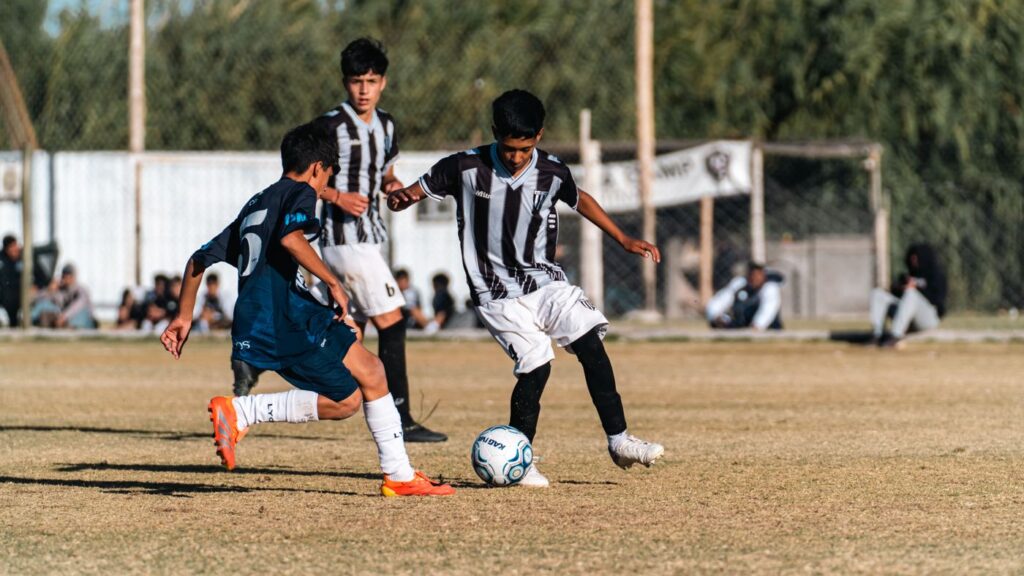
Young athletes are not small adults, and their injuries are not simply smaller versions of adult ones. Growing bodies have specific vulnerabilities that disappear once growth finishes, and recognising them matters. Much of youth sports physiotherapy in Ottawa involves reassuring parents about one thing while flagging another they had dismissed.
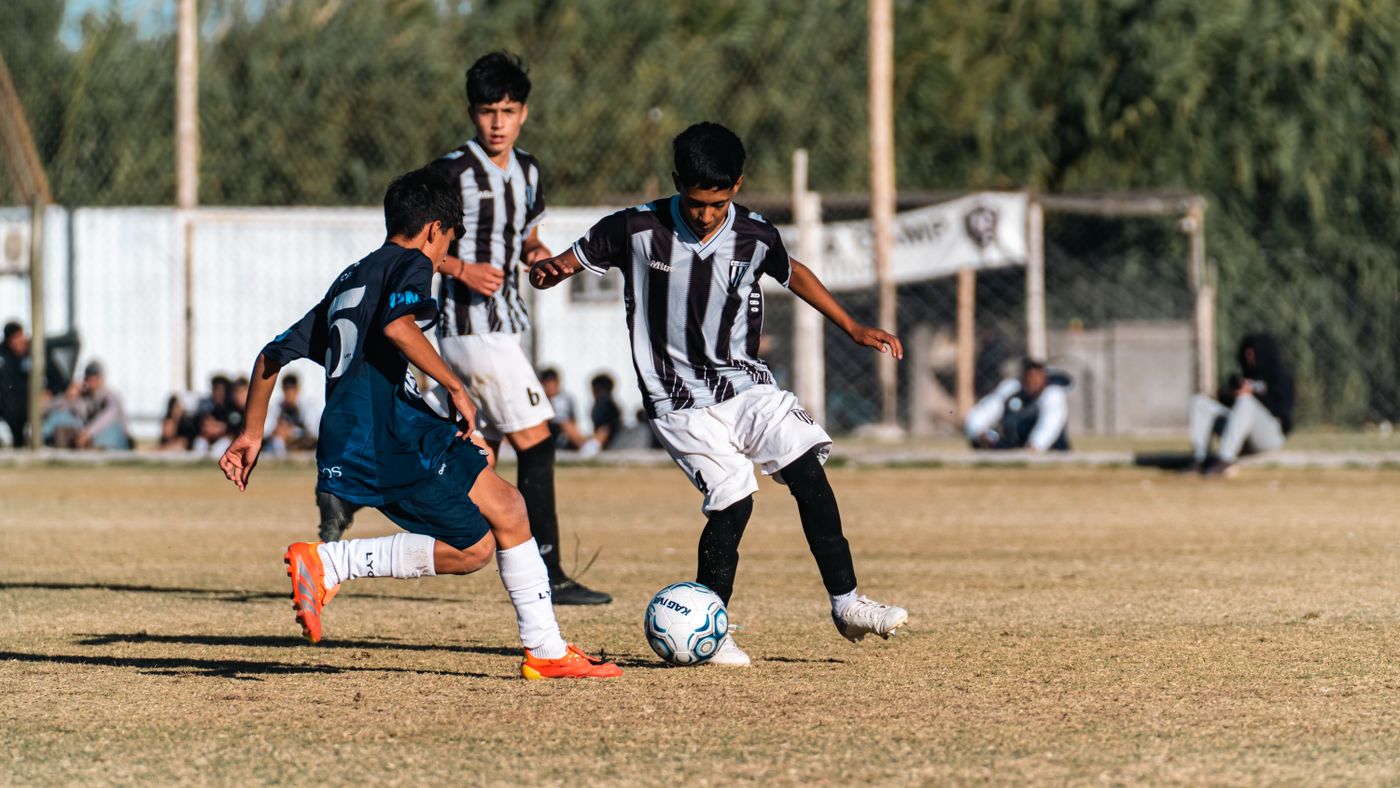
Here is what is genuinely different about growing athletes, and which complaints deserve attention rather than a wait-and-see approach.
Growth Plates Change Everything
Growth plates are areas of developing cartilage near the ends of long bones where growth occurs. They are weaker than the surrounding bone and than the tendons attaching nearby.
In adults, a sudden violent load typically injures a ligament or tendon. In a growing child, the same load may injure the growth plate instead, because it is the weakest link in the chain.
This is why a child’s injury should not be assumed to be a simple sprain. Pain located directly over bone near a joint, particularly after a specific incident, warrants proper assessment rather than a few days of rest and hoping.
Osgood-Schlatter and Sever’s Disease
Two of the most common growth-related complaints, and both sound more alarming than they are.
Osgood-Schlatter produces pain and often a tender bump just below the kneecap, where the patellar tendon attaches. It typically affects active adolescents during growth spurts and is aggravated by running and jumping.
Sever’s disease produces heel pain in younger children, usually during growth spurts, aggravated by running on hard surfaces.
Both relate to the growth plate being irritated where a strong tendon attaches. Both are self-limiting and resolve once growth completes. Neither typically requires stopping sport entirely — they need load management, and often calf or quadriceps flexibility and strength work.
Growth Spurts and Coordination
During rapid growth, bones lengthen faster than muscles and tendons adapt. The result is temporary tightness, reduced flexibility, and a period where coordination genuinely declines.
Parents and coaches often notice a previously smooth athlete becoming clumsy. That is a real phenomenon, not carelessness.
Injury risk is elevated during this window, which makes it a poor time to substantially increase training load. It is a good time to maintain participation while emphasising movement quality over volume.
Early Specialisation and Overuse
One of the more significant changes in youth sport over recent decades is year-round participation in a single sport from a young age.
The concern is straightforward. Playing one sport continuously loads the same tissues in the same patterns without the variation that other activities provide, and without meaningful off-seasons for recovery and adaptation.
Overuse injuries in young athletes have become correspondingly more common. Playing multiple sports, or at minimum taking genuine breaks from the primary sport, develops broader movement skills and reduces repetitive loading.
Concussion Deserves Its Own Attention
Young athletes generally take longer to recover from concussion than adults, and the consequences of returning too soon are more serious.
Any suspected concussion means immediate removal from play. Loss of consciousness is not required — most concussions do not involve it. Watch for headache, confusion, dizziness, nausea, sensitivity to light or noise, and unusual emotional responses.
Return to learning generally precedes return to sport, and both should be graded rather than immediate. This is an area where parental caution is genuinely warranted.
What Parents Should Watch For
Some complaints deserve assessment rather than waiting:
- Pain that persists beyond a couple of weeks
- Pain located directly over bone rather than muscle
- Limping, or any change in how they move
- Pain that wakes them at night
- Swelling around a joint
- Reduced participation, or reluctance they cannot explain
- The same complaint recurring each season
That last one matters. “Growing pains” is a real phenomenon but also an overused explanation, and a recurring pattern usually has an identifiable cause. An assessment through sports physiotherapy in Ottawa can distinguish between them.
Reducing the Risk
Practical measures that make a difference for young athletes:
Encourage multiple sports, particularly before the teenage years. Varied movement builds broader capability and spreads loading.
Build in genuine off-seasons rather than moving straight from one competitive season into the next.
Prioritise sleep. Adolescents need substantial sleep, and inadequate sleep is associated with higher injury rates.
Introduce appropriate strength work in adolescence. Properly supervised resistance training is safe and protective, contrary to persistent myths that it stunts growth.
Listen when they say something hurts. Young athletes often minimise symptoms to keep playing.
When to Book an Assessment
Book if pain persists beyond two weeks, if there was a specific incident with immediate swelling or inability to bear weight, if pain sits directly over bone near a joint, or if a complaint keeps returning.
Assessment through physiotherapy in Ottawa can identify growth-related conditions, rule out concerns requiring imaging, and provide a plan that usually keeps the young athlete participating rather than sidelined. Where the knee is involved, knee pain physiotherapy in Ottawa covers the conditions specific to growing athletes.
Frequently Asked Questions
Are growing pains real, or is something wrong?
Growing pains are a real phenomenon — typically vague, aching, affecting both legs, occurring in the evening or at night, and not associated with limping or swelling. Pain that is one-sided, localised over bone, causes limping, or persists during activity is unlikely to be growing pains and deserves assessment.
Should my child stop sport if they have Osgood-Schlatter?
Usually not entirely. It is generally managed with load modification — reducing the volume of running and jumping rather than stopping altogether — along with flexibility and strength work. It resolves once growth completes. Complete withdrawal from sport is rarely necessary and has its own costs for a young person.
Is strength training safe for young athletes?
Yes, when appropriately supervised and programmed. The idea that resistance training stunts growth is a persistent myth without support. Properly delivered strength work is protective against injury and beneficial for young athletes. What matters is technique, appropriate loading, and qualified supervision rather than avoiding it altogether.
How do I know if my child has a concussion?
Loss of consciousness is not required and most concussions do not involve it. Watch for headache, confusion or feeling “foggy”, dizziness, nausea, balance problems, sensitivity to light or noise, and unusual irritability or emotional responses. Any suspected concussion means immediate removal from play and assessment before returning.
Is it bad for my child to specialise in one sport?
Early year-round specialisation is associated with increased overuse injury risk, because the same tissues are loaded in the same patterns without variation or genuine off-seasons. Playing multiple sports, particularly before the teenage years, develops broader movement skills and spreads loading across different tissues.
Final Takeaway
Growing athletes have vulnerabilities adults do not, mainly because growth plates are the weakest link and rapid growth temporarily reduces coordination. Most growth-related conditions are self-limiting and manageable without stopping sport.
The complaints worth acting on are pain over bone, pain persisting beyond two weeks, limping, night pain, and anything that recurs each season. “Growing pains” is real, but it is also the explanation that hides genuine problems.
Book a Youth Sports Assessment in Ottawa
StayFit Physio – Ottawa
Merivale Clinic
1580 Merivale Rd #403, Nepean, ON
Phone: (613) 225-8956
Barrhaven Clinic
2201 Jockvale Road, Unit 2, Nepean, ON
Phone: (343) 588-5855
Not sure whether your child’s complaint needs attention? Book your assessment today and get a clear answer plus a plan that usually keeps them playing.