

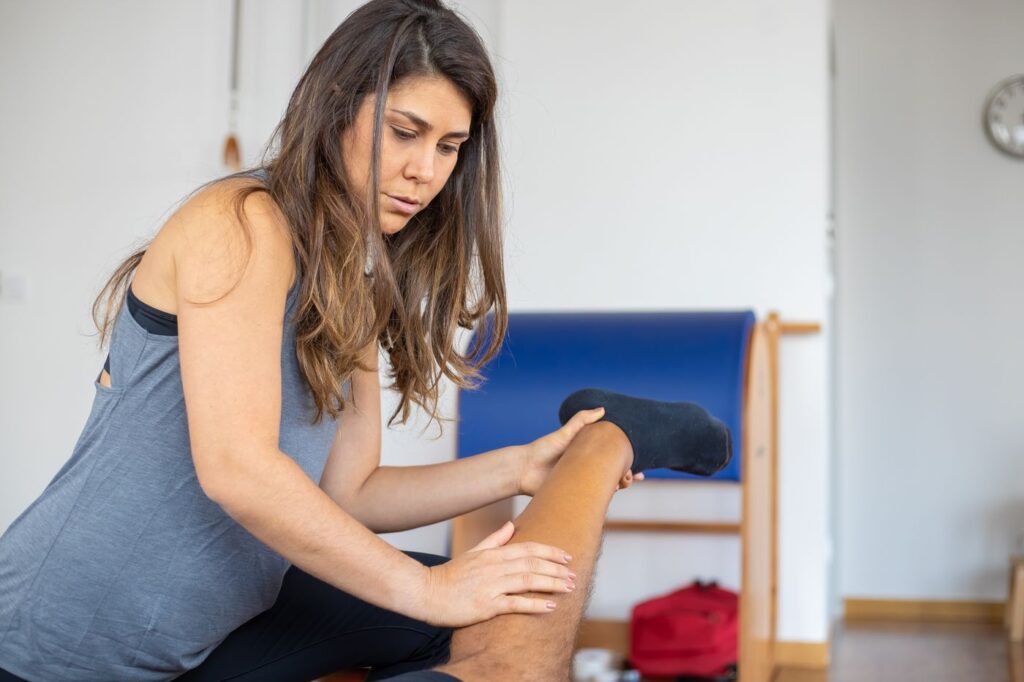
The most dangerous point in recovery is not when it hurts. It is the moment it stops hurting. Pain resolves well before tissue strength, control and confidence return, and that gap is where re-injuries happen. Good return to sport physiotherapy in Ottawa is largely about closing it.
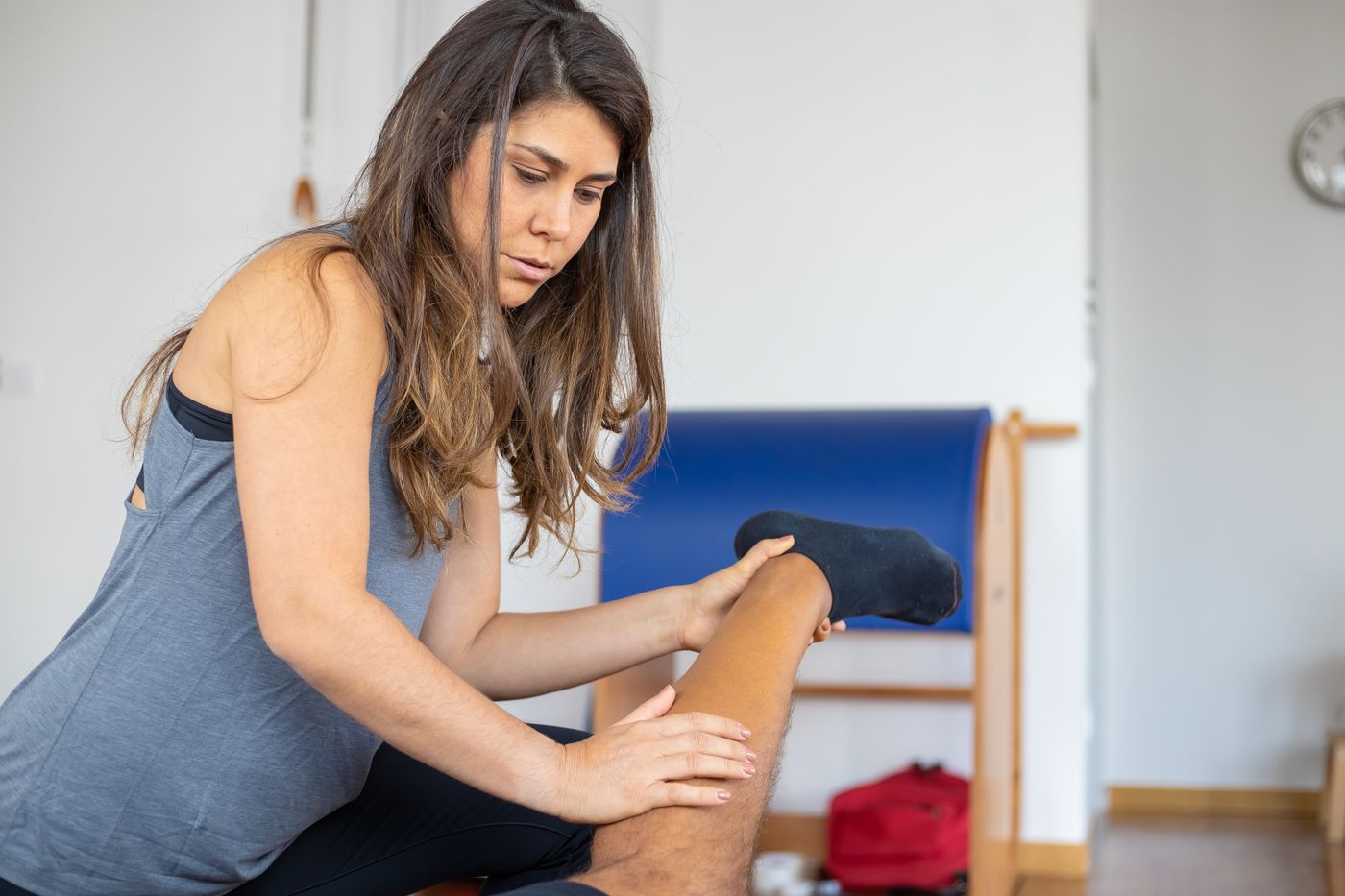
Here is what actually determines readiness, and why “how many weeks has it been” is one of the weaker questions to ask.
Why Pain-Free Is Not the Same as Ready
Pain is a poor proxy for tissue capacity. It typically settles once inflammation resolves, which can be well before the tissue has remodelled to its previous strength.
Meanwhile, several things have quietly happened during your time off. Muscles have weakened — measurably, within weeks. Proprioception and coordination have declined. Cardiovascular fitness has dropped. Movement patterns may have adapted around the injury in ways you have not noticed.
Returning to full sport on the basis that it no longer hurts means returning with those deficits intact, into an environment with unpredictable loads and directions.
Why Time-Based Rules Fall Short
“Six weeks for that injury” is a useful planning estimate and a poor clearance criterion.
Two people with the same diagnosis can be at completely different stages at six weeks, depending on the severity of the original injury, how consistently they rehabilitated, their baseline fitness, age, and what their sport actually demands.
Timelines are helpful for setting expectations. What determines readiness is what you can demonstrate, not what the calendar says.
The Criteria That Actually Matter
Return-to-sport decisions are usually built around a set of measurable benchmarks:
- Strength symmetry. The injured side should approach the uninjured side on relevant tests — a meaningful deficit is a clear risk marker.
- Full range of motion compared with the other side.
- Functional testing relevant to your sport — hop tests, change of direction, landing control.
- Load tolerance. Completing full training volume without symptoms afterwards.
- Movement quality under fatigue, since control tends to break down late in a session, which is when injuries occur.
- Psychological readiness, which is discussed less but predicts outcomes meaningfully.
These are the standards used in structured sports physiotherapy in Ottawa, and they are considerably more informative than asking whether it still hurts.
Testing Under Fatigue
This deserves separate mention because it is so often skipped. Most people can demonstrate good control when fresh at the start of a session in a clinic.
Injuries do not usually happen when fresh. They happen in the last ten minutes of a game, on the final repetition, when concentration and neuromuscular control have degraded.
Testing movement quality after fatiguing work gives a much more realistic picture of what will happen in competition. It frequently reveals compensations that are invisible when rested.
Psychological Readiness
Fear of re-injury is common, it is rational, and it changes how people move. Athletes who return while still apprehensive tend to hesitate, guard the limb, and move less fluidly — which paradoxically increases risk.
Confidence is built by demonstrating capability progressively rather than by being reassured. Completing genuinely demanding tasks successfully does more for confidence than being told the tissue has healed.
If you feel hesitant, that is worth discussing rather than pushing past. It is information about readiness, not a character flaw.
A Graded Return, Not a Switch
Return to sport works best as a progression rather than a binary decision.
- Rehabilitation exercises to restore strength and control
- Sport-specific drills in a controlled setting
- Non-contact or modified training with the group
- Full training including the unpredictable elements
- Limited competition — reduced minutes or intensity
- Full competition
Each stage should be tolerated without symptoms the following day before advancing. This is the step most commonly compressed when someone is keen to get back, and compressing it is the most common route to re-injury.
After Surgery
Post-surgical return follows the same principles but with additional constraints, because healing tissue has protocols that must be respected regardless of how good you feel.
Surgical timelines exist for biological reasons — graft healing, tissue integration — and feeling ready earlier does not change that biology. At the same time, waiting passively for a date without rebuilding strength wastes the window.
Structured post-surgical rehabilitation in Ottawa works within the protocol while progressively rebuilding capacity, so that when clearance arrives you are actually prepared for it.
The Cost of Returning Too Early
Re-injury is generally worse than the original. It typically means a longer time out, more tissue damage, greater psychological impact, and an increased likelihood of ongoing problems.
Weighed against a few extra weeks of structured preparation, the trade is rarely favourable. The athletes who miss the most time are usually the ones who came back fastest the first time.
If you are unsure, a formal assessment through physiotherapy in Ottawa can test the criteria objectively rather than leaving the decision to how the limb feels on a given morning.
Frequently Asked Questions
How do I know if I’m ready to return to sport?
Readiness is demonstrated, not felt. The markers are strength approaching symmetry with the uninjured side, full range of motion, passing sport-relevant functional tests, tolerating full training volume without next-day symptoms, maintaining movement quality under fatigue, and feeling psychologically confident. Being pain-free is a starting point, not a clearance.
Is it normal to be scared of re-injuring myself?
Very. Fear of re-injury is extremely common and is a recognised factor in return-to-sport outcomes. It also changes movement in ways that can increase risk. The way through it is progressive demonstration of capability — successfully completing demanding tasks builds genuine confidence in a way that verbal reassurance cannot.
What if I return and it hurts again?
Stop, and get it reassessed rather than pushing on or abandoning sport entirely. Some discomfort during a graded return can be acceptable; pain that increases through a session or persists the next day means the load exceeded current capacity. That usually indicates a step was progressed too quickly, not that recovery has failed.
Can I speed up my recovery?
You can optimise it — consistent rehabilitation, adequate sleep, good nutrition, and progressive loading all matter. What you cannot do is compress tissue healing biology, particularly after surgery. The most effective thing you can do is complete the rehabilitation properly rather than search for shortcuts around it.
Do I need physiotherapy if my injury already feels better?
Often yes, because feeling better and being restored are different. Strength deficits, reduced proprioception and altered movement patterns commonly persist after pain resolves, and they are exactly what predisposes you to re-injury. An assessment establishes whether those gaps exist and closes them if they do.
Final Takeaway
Pain resolving is the start of the final phase of recovery, not the end of it. Strength, control, load tolerance and confidence all lag behind comfort, and returning into that gap is how people end up injured twice.
Use criteria rather than the calendar, test under fatigue, and progress in stages. A few extra weeks of preparation is almost always cheaper than a second injury.
Book Your Return-to-Sport Assessment in Ottawa
StayFit Physio – Ottawa
Merivale Clinic
1580 Merivale Rd #403, Nepean, ON
Phone: (613) 225-8956
Barrhaven Clinic
2201 Jockvale Road, Unit 2, Nepean, ON
Phone: (343) 588-5855
Not sure whether you are ready to get back to it? Book your assessment today and have your readiness tested properly rather than guessed at.