

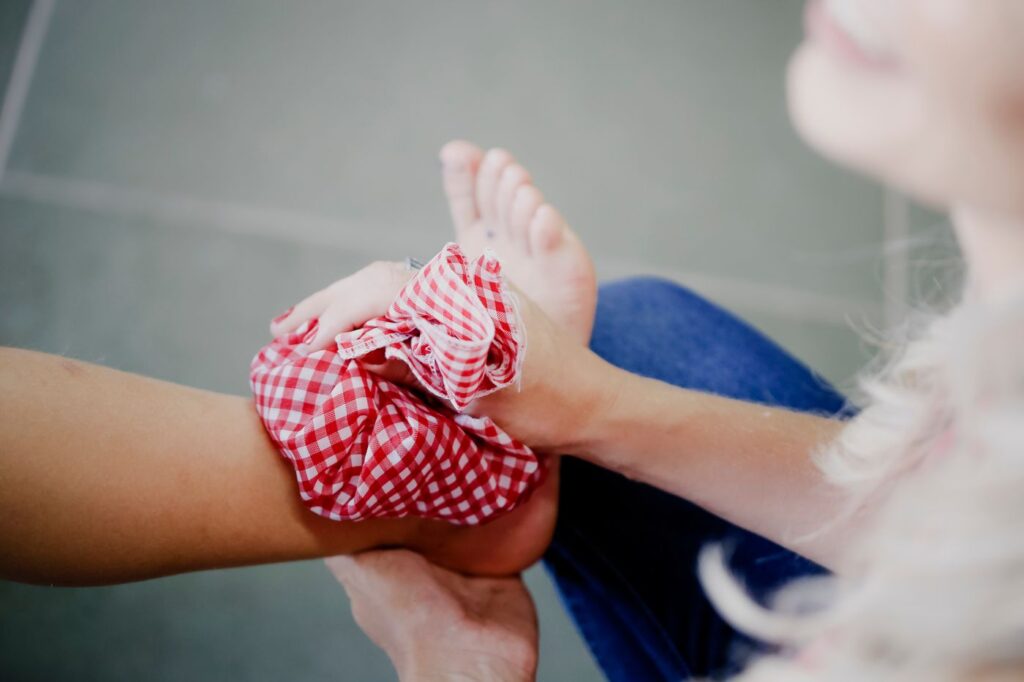
It is one of the most common questions we get asked, and one of the most confidently answered incorrectly by the internet. You have hurt something, you want it to feel better, and you are standing in front of the freezer wondering whether that is actually the right call. Getting heat or ice for injury right will not transform your recovery, but getting it wrong can slow you down and make you considerably less comfortable in the meantime.
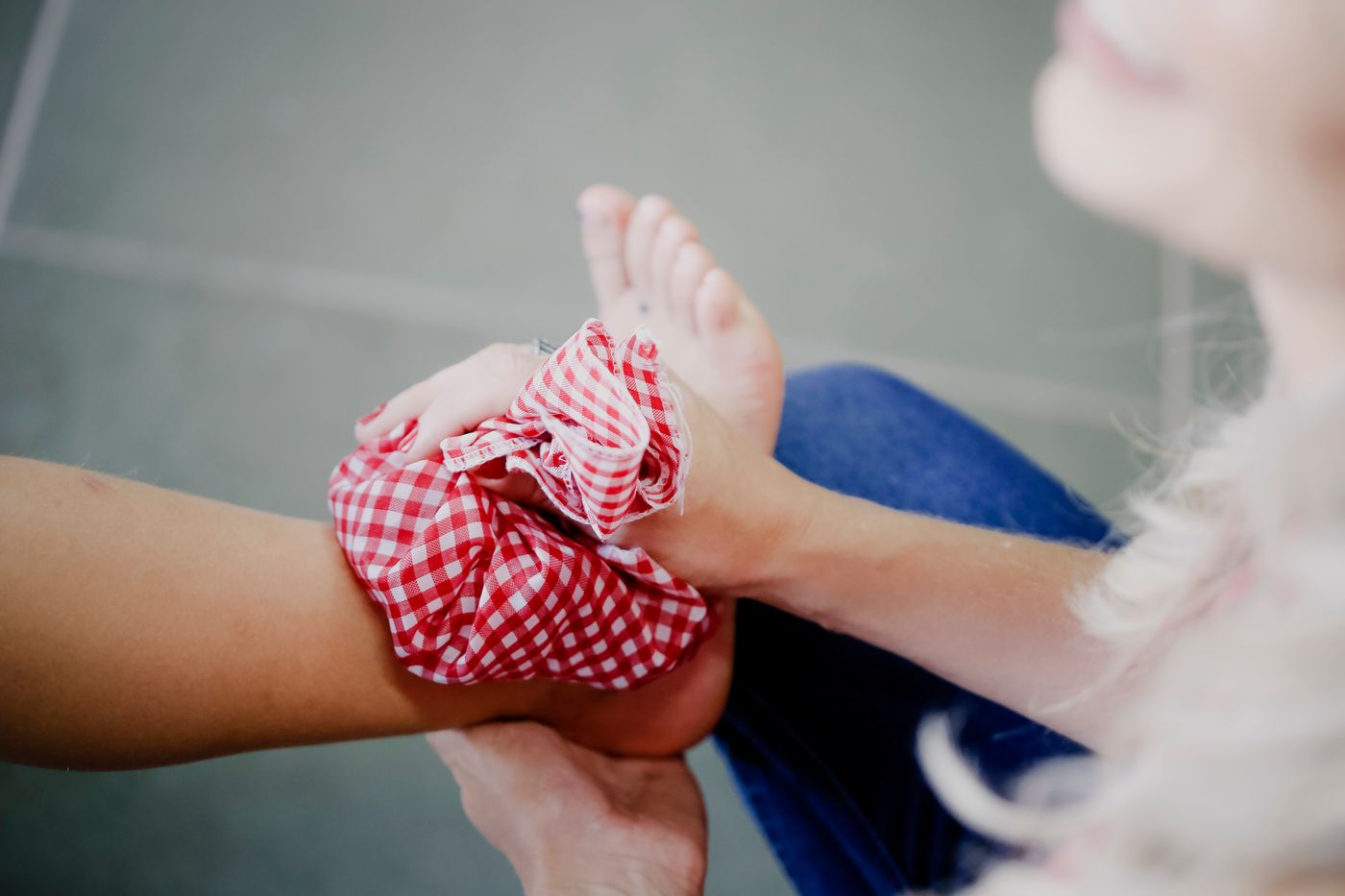
The honest answer is that it depends on what happened, how long ago, and what you are trying to achieve. Here is a practical guide, along with what has changed in the thinking on this over recent years.
The Short Version
If you need a rule of thumb before reading further:
- Ice for a fresh injury with swelling, in the first day or two, mainly for pain relief.
- Heat for stiffness, muscle tightness and long-standing aches, and before activity.
- Neither is a treatment on its own — both manage symptoms rather than fix the underlying problem.
That covers most situations. The detail below explains why, and where the rule of thumb breaks down.
What Ice Actually Does
Cold reduces blood flow to the area, slows nerve conduction, and numbs the tissue. That combination reduces pain fairly effectively and can limit how much swelling accumulates in the first hours after an injury.
What it does not do is speed up healing. This is the part that has shifted in professional thinking. Inflammation is not the enemy — it is the process that clears damaged tissue and begins repair. Suppressing it aggressively and continuously may actually interfere with recovery rather than help it.
So the modern position is more measured: ice is a reasonable tool for pain relief in the early stage, used in moderation, rather than something to apply religiously for days on the theory that it is healing you.
What Heat Actually Does
Heat increases blood flow, relaxes muscle tissue, and improves the extensibility of soft tissue. It tends to feel good on stiffness in a way ice does not.
It is particularly useful for muscle tightness, long-standing aching, morning stiffness, and preparing tissue for movement or stretching. Many people find heat before exercise and gentle movement afterwards more helpful than any amount of icing.
The important exception is fresh injury with active swelling. Increasing blood flow into a recently damaged, swollen area generally makes swelling and throbbing worse in the short term, which is why heat is not the first choice in the first day or two.
Matching the Choice to the Situation
Acute injury — first 24 to 48 hours. Rolled an ankle, tweaked something lifting, took a knock playing sport. There is swelling, and it is sharply painful. Ice is reasonable here for comfort, in short applications. More important than either is protecting the area and starting gentle movement as soon as it is tolerable.
After the first couple of days. Swelling has settled and stiffness is now the dominant complaint. Heat becomes the more useful option, particularly before gentle movement.
Chronic muscle tightness. Neck and shoulder tension from desk work, general low back stiffness. Heat, essentially always.
Arthritis. Heat usually helps morning stiffness. During a genuine inflammatory flare with a warm, swollen joint, cold may be more comfortable.
Headaches. Highly individual. Many people prefer cold on the head and heat on the neck and shoulders.
Where Most People Go Wrong
A few consistent errors:
- Icing for far too long. Extended applications do not increase the benefit and risk skin damage. Short applications with breaks are safer and just as effective.
- Applying either directly to skin. Always use a cloth barrier — ice burns and heat burns are both genuinely possible.
- Using heat on a fresh, swollen injury, which usually increases throbbing.
- Treating either as the treatment. They manage symptoms. Neither strengthens tissue, restores range of motion, or corrects the pattern that caused the problem.
- Resting completely because it hurts. This is the big one, and it slows recovery far more than choosing the wrong temperature ever will.
Movement Matters More Than Either
If there is one thing worth taking from this article, it is that the heat-versus-ice question is far less important than what you do with the injured area.
Current evidence consistently supports early, appropriate movement over prolonged rest for most musculoskeletal injuries. Tissue adapts to load. Complete protection leads to weakness, stiffness and a longer recovery, and it is a much more common mistake than picking the wrong compress.
The same principle applies across the injuries we see most, whether that is an acute strain or persistent back pain treated in Ottawa. Use heat or ice to make movement more comfortable — then move.
Safety Notes Worth Knowing
Some situations call for extra caution with both:
- Reduced sensation — from diabetes, nerve injury or any cause — means you may not feel a burn developing
- Circulatory conditions, where cold in particular may be inadvisable
- Open wounds or broken skin
- Falling asleep with a heating pad, a common cause of burns
- Applying to an area that is already numb
If you have any condition affecting sensation or circulation, check with a clinician before using either routinely.
When to Stop Self-Managing
Heat and ice are fine for minor complaints you expect to settle. Book an assessment if pain persists beyond a couple of weeks, if you cannot bear weight or use the limb normally, if there is significant swelling or deformity, if you have numbness, tingling or weakness, or if the same problem keeps returning.
That last point is the one most often ignored. A recurring complaint managed indefinitely with a heat pack has a cause that has never been addressed. An assessment through physiotherapy in Ottawa identifies what is driving it. Where symptoms have been present for months, chronic pain physiotherapy in Ottawa takes a broader view, and our conditions we treat page lists what we assess.
Frequently Asked Questions
Should I use ice or heat for lower back pain?
For a sudden back strain with sharp pain, ice may be more comfortable in the first day or two. For the far more common presentation — general stiffness and aching that has been there a while — heat is usually better, especially before gentle movement. If unsure, try heat first for back pain; most people find it more helpful.
How long should I apply ice or heat?
Short applications with breaks in between, rather than long continuous ones. Extended application does not improve the effect and increases the risk of skin damage. Always use a cloth barrier rather than placing ice or a heat source directly on skin, and remove it if the skin becomes very red or numb.
Can I alternate between heat and ice?
Some people find alternating helpful, particularly for stubborn stiffness with some residual soreness. There is no strong evidence that it outperforms either alone, but it is safe for most people and worth trying if it feels good. Comfort is a reasonable guide once you are past the acute swelling stage.
Is it true that icing delays healing?
Current thinking is more nuanced than the old advice. Inflammation is part of the repair process, so aggressively suppressing it for days may not help and could interfere. That does not make ice harmful in moderation — it remains useful for pain relief early on. The shift is away from treating ice as a healing tool.
What about heat rubs and cooling gels?
Most topical products work primarily by creating a sensation of warmth or cold that distracts from pain, rather than by meaningfully changing tissue temperature at depth. They can be useful for comfort, and there is no harm in using them, but they should not be expected to do more than a heat pack or cold compress would.
Final Takeaway
Ice for fresh, swollen injuries in the first day or two, mainly for pain. Heat for stiffness, muscle tightness and long-standing aches. Neither directly heals anything — both make you comfortable enough to do the thing that does.
And that thing is movement. If you are choosing between a heat pack and an ice pack while avoiding using the area altogether, you are optimising the wrong variable.
Book Your Assessment in Ottawa
StayFit Physio – Ottawa
Merivale Clinic
1580 Merivale Rd #403, Nepean, ON
Phone: (613) 225-8956
Barrhaven Clinic
2201 Jockvale Road, Unit 2, Nepean, ON
Phone: (343) 588-5855
Managing the same injury with a heat pack month after month? Book your assessment today and find out what is actually causing it.