

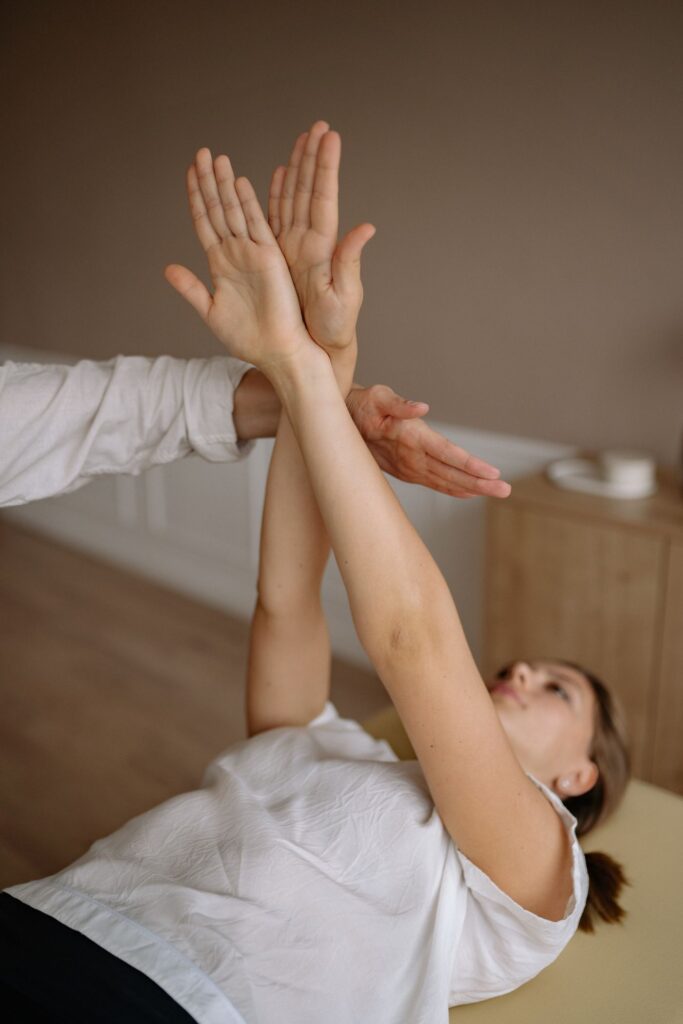
Hands are easy to ignore until they are not. Most people tolerate wrist ache and occasional finger numbness for months, because the symptoms come and go and rarely stop you doing anything outright. By the time someone books wrist and hand physiotherapy in Ottawa, the problem has usually been present for a long while.
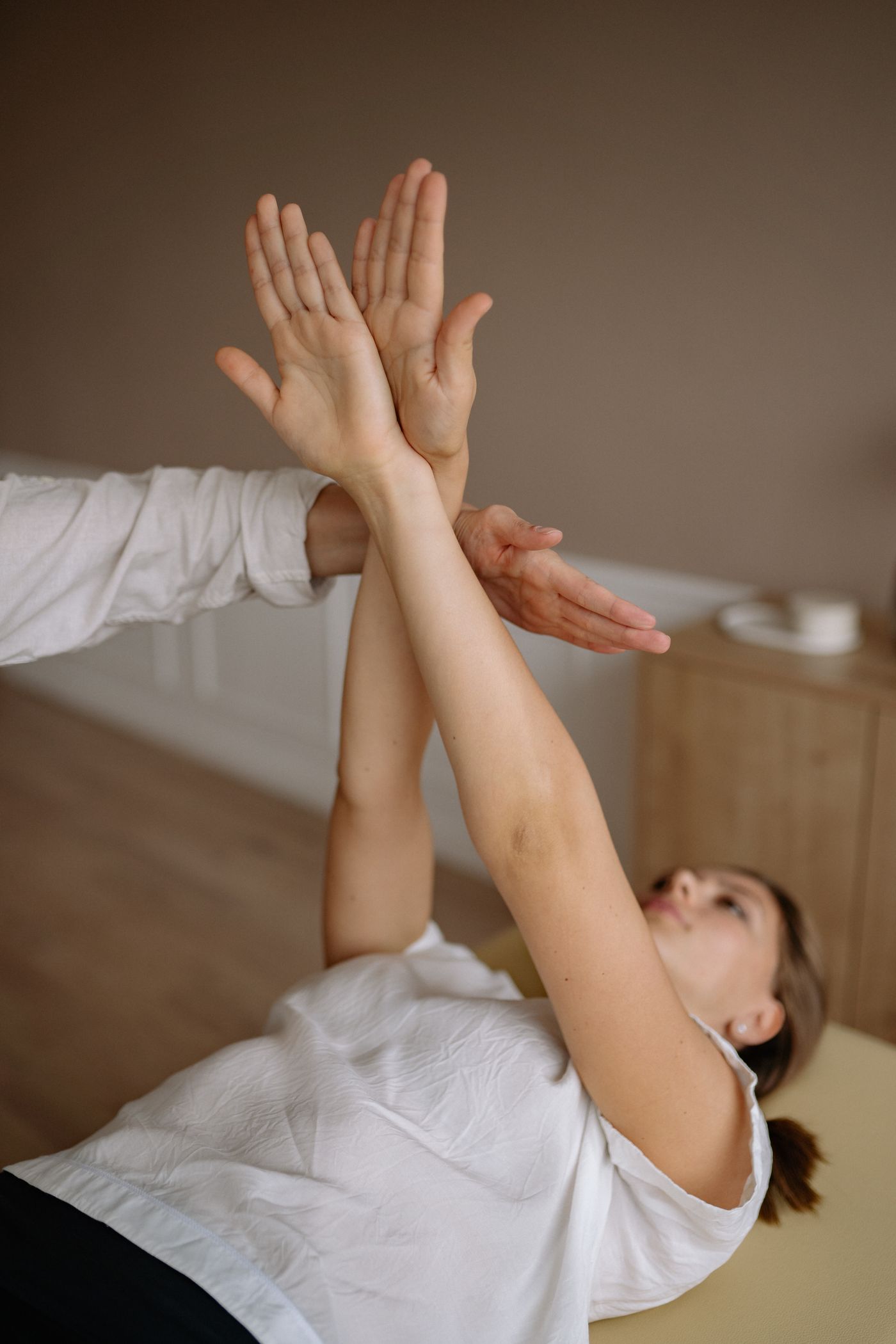
Wrist and hand pain covers several distinct conditions with quite different causes. Telling them apart is the first useful step.
Carpal Tunnel Syndrome
The best known of these conditions. The median nerve passes through a narrow tunnel at the wrist, and when pressure in that tunnel increases, the nerve is compressed.
The characteristic pattern is numbness and tingling in the thumb, index, middle and half of the ring finger — not the little finger, which is supplied by a different nerve. Symptoms are classically worst at night, often waking people who then shake the hand to relieve it.
As it progresses, grip weakness develops and people start dropping things. That combination of night symptoms and a specific finger distribution is quite distinctive.
De Quervain’s Tenosynovitis
Pain on the thumb side of the wrist, worse with gripping, wringing, or lifting with the thumb extended.
It involves irritation of the tendon sheath around two tendons that control the thumb. It is strongly associated with repetitive thumb use and with lifting patterns that load the thumb side of the wrist — which is why it is common in new parents lifting infants, and in people whose work or hobbies involve repetitive gripping.
It responds well to load modification, sometimes bracing, and progressive strengthening once irritation settles.
Wrist Tendinopathy and Repetitive Strain
Diffuse aching through the wrist and forearm, worse with sustained activity, often related to keyboard and mouse use, trades work, or a sudden increase in a manual task.
The common thread is sustained or repetitive loading without adequate recovery. Unlike an acute injury, there is rarely a moment where something happened — it builds gradually and is often attributed to age or simply accepted as part of the job.
Where desk work is the driver, the wrist is frequently only part of the picture, and posture, workstation setup and upper body positioning all contribute. Targeted physiotherapy for desk job pain in Ottawa addresses those together.
Thumb Base Arthritis
Pain at the base of the thumb where it meets the wrist, worse with pinching and gripping — opening jars, turning keys, using a phone.
This joint is heavily loaded and among the more common sites of hand arthritis, particularly from midlife onward. It is often mistaken for a tendon problem because the location is similar to De Quervain’s.
While joint changes cannot be reversed, symptoms respond meaningfully to strengthening the muscles that support the joint, modifying grip patterns, and sometimes using a supportive splint for demanding tasks.
Nerve Problems That Are Not Carpal Tunnel
Not every numb hand is carpal tunnel, and this matters because treatment differs.
Compression of the ulnar nerve at the elbow produces numbness in the little finger and half the ring finger — the opposite distribution. Nerve irritation in the neck can refer symptoms all the way into the hand. Thoracic outlet issues can produce symptoms in the arm and hand from compression near the collarbone.
A proper assessment tests the whole path from neck to fingertips, because treating the wrist for a problem originating in the neck predictably fails.
What Physiotherapy Involves
Assessment establishes which structure is involved — nerve, tendon or joint — and where along the chain the problem originates.
Treatment then typically combines several elements: nerve gliding techniques where a nerve is involved, progressive strengthening for tendon and joint problems, load and activity modification, splinting where appropriate, and addressing contributing factors further up the arm and neck.
Ergonomic changes matter for work-related presentations, but they work best alongside building capacity rather than instead of it. A workstation adjustment without strengthening tends to help temporarily.
What You Can Change Yourself
Several practical measures help across most of these conditions:
- Take frequent short breaks from sustained gripping or typing rather than long unbroken stretches
- Keep the wrist in a neutral position where possible, particularly at a keyboard
- Avoid sleeping with wrists bent, which aggravates carpal tunnel symptoms considerably
- Vary your grip on repetitive tasks
- Use larger joints where possible — carry with the forearm rather than pinching with the thumb
That third point is one of the simplest wins available for night symptoms.
When to Get It Assessed
Book if numbness or tingling is persistent rather than occasional, if you are noticing grip weakness or dropping things, if symptoms wake you at night, if pain has lasted more than a few weeks, or if it is affecting work.
Persistent nerve compression is worth addressing sooner rather than later, since prolonged compression can lead to changes that take longer to recover. An assessment through physiotherapy in Ottawa establishes the cause and whether onward referral is needed. Where symptoms have been present for a long period, chronic pain physiotherapy in Ottawa takes a broader view. Our conditions we treat page lists the full range.
Frequently Asked Questions
How do I know if I have carpal tunnel syndrome?
The classic pattern is numbness and tingling in the thumb, index, middle and half the ring finger — sparing the little finger — typically worst at night and often relieved by shaking the hand. Grip weakness may develop over time. Because other conditions mimic it, an assessment that tests the whole path from neck to hand is worthwhile before assuming.
Can wrist pain come from my neck?
Yes, and it is more common than people expect. Nerve irritation in the cervical spine can refer symptoms down the arm into the hand, producing numbness or pain that feels like a local wrist problem. This is exactly why assessment should cover neck, shoulder, elbow and wrist rather than only the site of symptoms.
Should I wear a wrist splint?
It depends on the condition. Night splints are often helpful for carpal tunnel symptoms because they keep the wrist neutral during sleep. Splints can also help settle De Quervain’s or thumb base arthritis during demanding tasks. Prolonged all-day use is generally less desirable, since it allows supporting muscles to weaken.
Will I need surgery for carpal tunnel?
Many cases improve with conservative management — activity modification, night splinting, nerve gliding and addressing contributing factors. Surgery is generally considered for cases that do not respond, or where there is significant or progressive weakness and muscle wasting. Getting assessed earlier increases the chance conservative treatment succeeds.
Why is my hand pain worse at night?
For carpal tunnel, it is largely about wrist position — many people sleep with wrists bent, which increases pressure in the tunnel. Fluid distribution while lying down also plays a part. Night symptoms that wake you and are relieved by shaking the hand are a fairly characteristic feature and worth mentioning at assessment.
Final Takeaway
Wrist and hand pain is several distinct conditions, and which fingers are involved, where the pain sits, and when it is worst usually narrows it considerably.
Nerve symptoms in particular are worth addressing early rather than tolerating for months. Most of these conditions respond well to load modification and progressive strengthening once correctly identified.
Book Your Wrist and Hand Assessment in Ottawa
StayFit Physio – Ottawa
Merivale Clinic
1580 Merivale Rd #403, Nepean, ON
Phone: (613) 225-8956
Barrhaven Clinic
2201 Jockvale Road, Unit 2, Nepean, ON
Phone: (343) 588-5855
Numb fingers, a weak grip, or wrist pain that will not settle? Book your assessment today and find out exactly what is causing it.